
Madagascar: This remarkable island nation off the southeast coast of Africa is a world of its own — where ancient baobabs tower over rugged plains, unique wildlife thrives, and dramatic limestone formations “Tsingy”rise like cathedrals from the earth. After days of adventure, unwind in Nosy Be, Madagascar’s tropical island paradise renowned for its turquoise waters, lush islets, and easygoing atmosphere. Madagascar is a blend of discovery, nature and relaxation.
Mauritius: Tours in Mauritius should be on your bucket list. This volcanic island is located off the southeast coast of the African continent in the Indian Ocean. The island of lagoons, powdered white beaches and palm-fringed beaches with coral reefs surrounding most of the coastline. Mauritius is defiantly an excellent holiday destination, with a vast number of activities waiting to be discovered. The kind of place which gives you pleasure even with the smallest attempt of activity.
Visa
Madagascar: a visa is required for Madagascar, but you can get one on arrival or apply for an eVisa online beforehand. We suggest applying for eVisa online beforehand.
Mauritius: Maltese citizens holding a biometric passport do not require a visa to enter Mauritius, however, it is very important to note that your passport needs to be valid at least 6 months after your arrival back to Malta. You must have a return ticket and the maximum stay in the country is of 90 days.
Time Zone
Madagascar: Madagascar uses East Africa Time (EAT), UTC+3 year-round. It does not observe daylight saving time.
Mauritius: Mauritius uses Mauritius Time (MUT), UTC+4 year-round. It does not observe daylight saving time.
Best time to go on Tours
Madagascar: The best time to visit Madagascar is during the dry season from April to November, when wildlife viewing is at its peak, roads are more accessible, and beach weather is ideal. Avoid traveling during the wet season, when heavy rains and cyclones can affect the country. During this period, roads may become difficult to access, some parks can close, and sea conditions are less favorable for island visits.
Mauritius: The island of Mauritius offers a tropical climate all year round. The summer months are from December to April, when it can be extremely humid, and the cooler winter, such as it is, runs from May to November. January and February are considered to be the typhoon months, with a possibility to be extended until April. Temperatures range between 25°C and 33°C in summer and between 18°C and 25°C in winter.
Vaccines
Madagascar & Mauritius: It is very important to make sure that all the suggested vaccinations have been taken otherwise make a plan as some of these needs to be taken even 3 months prior to your departure. Be responsible, stay healthy and safe. You can check here for vaccinations for Madagascar and Mauritius or e-mail Malta Immunisation Clinic on: immunisation@gov.mt to check about your vaccinations.
Currency
Madagascar: Madagascar uses the Malagasy Ariary (MGA) as its official currency. While ATMs are available in major cities and tourist hubs, they can be limited or unavailable in remote areas, so carrying cash is advisable. Visitors are often surprised by how many banknotes are required for small purchases, as high numbers of Ariary bills can amount to only a modest sum in foreign currency. Credit cards are accepted in some hotels and larger establishments, but cash remains the most practical way to pay throughout much of the country.
Mauritius: The Mauritian unit of currency is the rupee (Rs), The banknote denominations are in 25, 50, 100, 200, 500, 1000 and 2000 rupees. You can easily use the facility of the ATMs, as these are situated everywhere along the island. The most commonly used credit cards are Visa and MasterCard.
Food
Madagascar: Typical Malagasy food revolves around rice, which is served at almost every meal, often accompanied by zebu (local beef), chicken, or fish. Meals are usually simple, flavored with local herbs, garlic, and ginger, and often include vegetables or legumes. Street food and snacks, like mofo gasy (rice pancakes) or fried bananas, give a taste of everyday Malagasy flavors.
Mauritius: Mauritius has a unique identity. The mixture of different cultures which overruled Mauritius throughout the years has left its mark on the country’s cuisine. You can see Dhal Puri at the food stalls, which is a mix of seasoned split peas, pickled vegetables and bean curry wrapped in warm thin flatbread. It is important to remember that Mauritians take spice seriously, so one should proceed with caution when the vendors ask if you like your food to be hot. Coconut and pineapple are used as part of the flavours for their local drinks. The Rum, which is locally produced in the alcoholic drink mainly used across the island.
Country Top things to do by interest
Nature & trekking
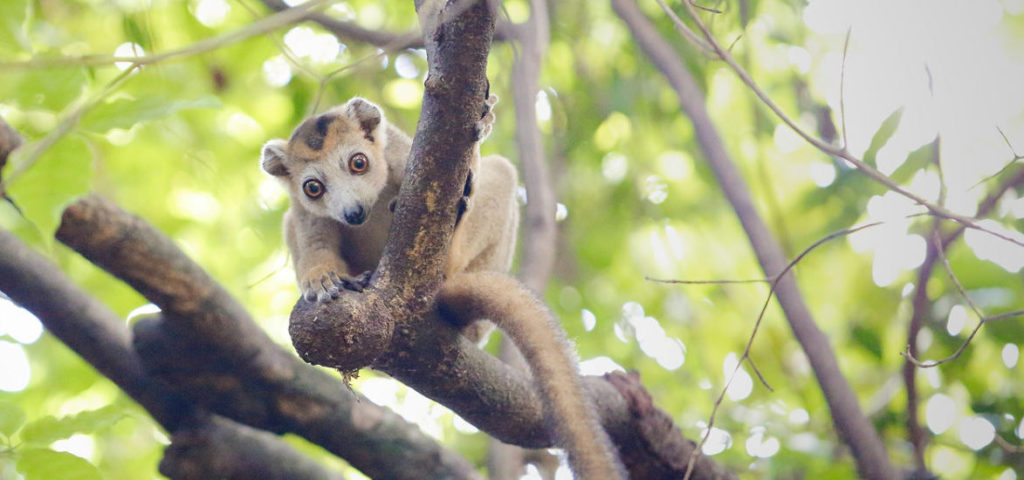
Madagascar: Madagascar is a paradise for nature lovers and trekking enthusiasts. You will explore the Kirindy Natural Reserve, home to unique wildlife including lemurs endemic birds and the elusive Fossa, wander among the dramatic limestone pinnacles of Tsingy de Bemaraha, and stroll beneath the iconic giants of Baobab Alley. Baobabs are massive trees that can live for hundreds to thousands of years and are an important part of local ecosystems, storing water in their trunks to survive the dry season, they are a remarkable symbols of Madagascar’s unique landscapes.
Mauritius: This tropical island is home to plant species and rare birds, such as the pink pigeon and the kestrel. It also offers a vast amount of marine species, which will make snorkelling of scuba diving a unique experience. Driving around the island offers beautiful scenery of their crops and pointy mountain tops. You can find amazing natural waterfalls on this beautiful tropical island including Rochester falls and GRSE waterfall which can also be visited by boat from the coast. In the south-west of Mauritius, one can visit the Seven Coloured Earths of Chamarel, which normally attracts nature lovers for their colourful dunes. Or maybe take a trip to the Black River Gorges National Park to explore its hiking and mountain biking trails. Hiking through the UNESCO World Heritage site of Le Morne Brabant Mountain will give you a breathtaking experience. Here you can trek to the very top and see the coastline beneath you with the reflection of all the colourful corals.
Beaches, Swimming & Relaxing
Madagascar: Madagascar is home to pristine beaches and crystal-clear waters, perfect for swimming, snorkeling, or simply relaxing under the sun. The islands of Nosy Be and its surrounding islets offer powdery white sand, calm turquoise lagoons, and vibrant coral reefs teeming with marine life. Whether you want to lounge by the shore, take a refreshing dip, or explore underwater wonders, Madagascar’s beaches provide the ultimate escape for rest and rejuvenation after days of trekking and adventure.
Mauritius: What are tours in Mauritius without some beaches and relaxing time. The beautiful beaches in Mauritius’s are a photo finish experience with coral reef lagoons and sandy beaches. The north area has the greatest variety, with white sandy beaches shaded by casuarina trees, like Trou-aux-Biches and Grand Baie.
The west coast offers the best sunsets with a reflection of its golden sand, crystal clear shallow waters like for example Flic en Flac beach.
On the east coast, do not forget to visit Belle Mare, Iles auc Cerfs, Blue Bay Marine park amazing for snorkelling.
On the south side you can find the typical Robinson Crusoe style island. Tours in Mauritius are the heaven on earth type.
Wildlife
Madagascar: Madagascar is a biodiversity hotspot like no other, home to species found nowhere else on Earth. On land, you’ll encounter lemurs, chameleons, and endemic birds, as well as unique flora such as baobabs and spiny forests. Beneath the waves, its surrounding waters host vibrant coral reefs, tropical fish, sea turtles, dolphins and whales, making it a paradise for snorkelers and divers alike. From dense forests to turquoise lagoons, Madagascar offers unforgettable encounters with nature in all its forms.
Mauritius: Even though not in the wild, the Casela Nature Park is a must-see attraction. Experience walks with Lions, meet the rhinos, experience the safari Quad and encounter the various animal species. Immerse yourself in the extraordinary scenic beauty in the company of the wild Kudus, or Impalas.
Sightseeing
Madagascar: Our tour of Madagascar focuses on nature and the island’s extraordinary landscapes. As a rural and economically poor African country, Madagascar offers few large cities, grand buildings, or museums; instead, visitors experience primitive villages, traditional communities, and untouched countryside. Walking through these landscapes, travelers often feel as if they are stepping back in time.
Mauritius: Should one decides to have a break from just sitting in the sun, Mauritius has plenty to see and do. French colonial houses, museums, shopping centres, botanic gardens and eco-friendly playgrounds can be found all around the island which will give a different type of pleasure.
One can visit the capital of Port Louis and the Grand Baie. Both are great sightseeing spots.
Shopping
Madagascar: Madagascar’s shopping is all about local markets, crafts, spices and art rather than big malls. In Antananarivo you can browse bustling markets like Analakely. In Nosy Be you will experience a colorful, local experience focused on handicrafts, souvenirs, and tropical specialties. Visitors can browse small markets for handmade souvenirs, carved wooden items, local spices like vanilla and ylang-ylang, and handmade jewelry. While some accept cash in Euros, Malagasy Ariary is preferred, and while the selections are modest compared to larger cities, shopping here offers authentic souvenirs and a glimpse into the island’s artisanal traditions.
Mauritius: From the bustling marketplace, such as the Port Louis Central Market or the Flacq Market to the high-end store, such as the Phoenix Mall. Mauritius can offer something good for everyone. Moreover, visitors can also shop tax-free in any shop marked with a tax refund logo.
Adrenaline
Madagascar: Roads in Madagascar vary widely in condition, reflecting the country’s rural and rugged nature. Many roads in the west and remote regions, including access to Kirindy, Tsingy de Bemaraha, and smaller villages, are unpaved, rough, and sometimes challenging. Prepare for offroad, dusty & bumpy rides, and occasional detours, which are all part of the adventure of exploring Madagascar’s untouched landscapes and hidden gems.
Mauritius: Extreme activities such as a 60 second tandem free fall skydiving, zip-lining at Vallée des Couleurs, getting dirty with mud karting, mountain biking on the best off-road trails or jumping off rocks and swim through currents will surely give the adrenalin enthusiast that burning sensation. One can also find underwater adrenaline adventures like scuba diving.
Local Living Experiences
Madagascar: Life in Madagascar is marked by extreme simplicity and economic hardship, particularly in rural areas where most of the population lives. Many villages consist of basic, rudimentary homes, and communities rely on farming, fishing, and small-scale trade to survive. Access to electricity, clean water, and modern amenities is limited, and daily life is shaped by hard work and resourcefulness. Traveling through Madagascar’s countryside gives visitors a vivid sense of a nation where poverty defines daily routines, and where the pace of life is slow, humble, and deeply connected to the land.
Mauritius: For adventure, activities like treehouse ziplining, kayaking in Vang Vieng, and rock climbing are available, especially in limestone karst regions.
Culture
Madagascar: Madagascar’s culture is a rich blend of African, Asian, and European influences, shaped by centuries of migration and colonial history. While the island retains strong ties to France, visible in the language, education system, and cuisine, much of Madagascar’s culture remains rooted in rural traditions, offering travelers an authentic glimpse of daily life and local heritage.
Mauritius: Mauritius, also known as the “rainbow paradise island” is rich in the cultural mixture and harmonized religions. The Séga, is the official national music of Mauritius, with lovely ethnic tunes.
Children Theme Parks
Madagascar: Madagascar is not a typical destination for theme parks or large-scale attractions for children. Most family activities focus on nature, wildlife, and outdoor exploration. the country’s rural and economically modest setting means structured theme parks are virtually nonexistent. Traveling with children in Madagascar is best suited to adventure, wildlife encounters, and cultural experiences rather than conventional amusement parks.
Mauritius: Le Water park is a great place for family and friends with inner tubes water rides, water cannons, the crazy river ride, the giant wave pool, the shallow splashes areas and many more. A visit to the Kids Adventure park might also be a thrilling experience for the little ones, with mini-jet sky rides to mini quad bike rides, or a treetop cross adventure is the place to be especially if you are travelling with kids.